


Incidents in business environments are often unexpected. A slip-and-fall accident, theft, workplace dispute, or property damage can occur within seconds. When there is no clear evidence of what happened, the situation can quickly escalate into a legal, financial, or reputational problem.
The absence of CCTV doesn’t just mean a lack of security footage. It can expose businesses to disputes they cannot defend, insurance claims that are delayed or denied, and legal risks that could have been mitigated with proper documentation. Understanding these risks is essential for any business owner, manager, or decision-maker.
Risks Businesses Face Without CCTV
Without CCTV, businesses can face these problems in the future, are:
Disputed Claims and Conflicting Accounts
When an incident occurs and there is no video evidence, businesses must rely on witness statements and written reports. Without CCTV footage, it becomes difficult to establish an objective version of events. This lack of clarity can lead to prolonged disputes with customers, employees, or third parties. In many cases, businesses may be forced to settle claims simply because they cannot prove what actually happened.
Insurance Delays or Claim Denials
Insurance providers often request evidence when assessing claims related to theft, vandalism, workplace injuries, or property damage. Without CCTV footage, insurers may question the circumstances of the incident or whether reasonable preventative measures were in place. In some cases, the absence of security systems can result in reduced payouts or outright claim denials. Businesses may also face increased premiums after repeated claims that lack supporting evidence, making long-term insurance costs significantly higher.
Increased Legal and Liability Exposure
Without CCTV, businesses are more vulnerable to liability claims. If an employee alleges unsafe working conditions or a customer claims negligence, the burden of proof often shifts toward the business. When none exists, legal outcomes may depend on subjective testimony, which can be risky and unpredictable. This exposure is particularly concerning in high-traffic environments such as retail stores, offices, warehouses, hospitality venues, and commercial buildings.
Why Evidence Matters in Business Incidents
CCTV footage provides a reliable timeline of events. It helps management understand what went wrong, identify operational gaps, and take corrective action. This is especially important for internal investigations involving employee conduct, safety breaches, or process failures. Clear video evidence allows businesses to respond quickly and decisively, rather than relying on assumptions or incomplete information.
Protecting Against False or Exaggerated Claims
Unfortunately, not all claims are genuine. Businesses without CCTV may struggle to defend against false or exaggerated allegations. Video footage can demonstrate whether safety procedures were followed, warning signs were visible, or policies were properly enforced. This evidence can be crucial in protecting businesses from reputational damage and unnecessary legal costs.
Strengthening Legal and Insurance Positions
From an insurance and legal perspective, CCTV acts as an objective witness. Footage can clarify liability, reduce disputes, and often lead to faster claim resolutions. Many businesses also find that insurers view security camera installation as a proactive risk management measure. This can positively influence policy terms and demonstrate a commitment to maintaining a safe environment.
The Role of Professionals in Risk Management
Commercial law lawyers play an important role in helping businesses understand their legal obligations around safety, documentation, and privacy. They can advise on how CCTV footage should be handled, stored, and used to ensure compliance with regulations. Seeking commercial legal advice before an incident occurs allows businesses to put appropriate policies in place, reducing the risk of legal complications later.
Preventative Measures Through CCTV Installation
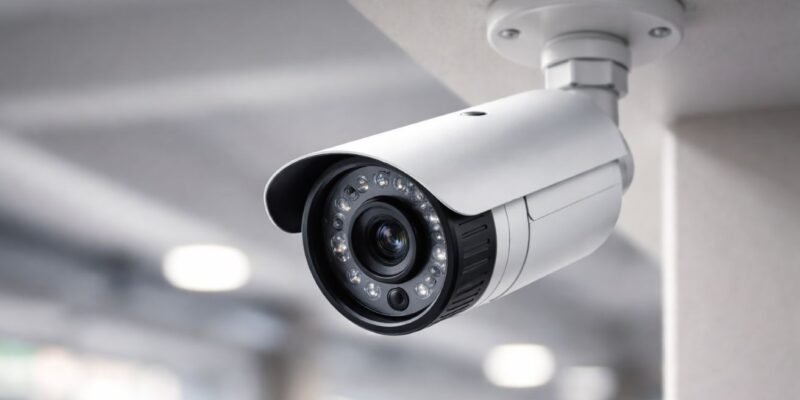
Professional CCTV security camera installation helps businesses design systems that provide effective coverage without overstepping privacy boundaries. Proper placement ensures critical areas such as entrances, exits, service counters, and high-risk zones are monitored. A well-designed CCTV system is not just reactive; it acts as a deterrent, reducing the likelihood of incidents occurring in the first place.
Long-Term Business Impact of Operating Without CCTV
There can be various impacts on business if they operate without CCTV, which can be:
- Financial Strain and Operational Disruption
- Reputational Damage
- Missed Opportunities for Improvement
Financial Strain and Operational Disruption
Repeated incidents without clear evidence can lead to mounting legal fees, lost productivity, and management time spent handling disputes. Over time, this can significantly affect profitability and operational efficiency.
Reputational Damage
Businesses involved in unresolved disputes or publicised legal issues may suffer reputational harm. Customers and partners may perceive the business as unsafe or poorly managed, even when allegations are unproven.
Missed Opportunities for Improvement
CCTV footage often reveals patterns of recurring safety hazards, theft-prone areas, or workflow inefficiencies. Without this insight, businesses miss valuable opportunities to improve operations and reduce risk.
Conclusion
Operating without CCTV leaves businesses exposed at multiple levels. From disputed claims and insurance challenges to legal and reputational risks, the lack of evidence can turn manageable incidents into costly problems. By combining professional CCTV security camera installation with sound commercial legal advice, businesses can protect themselves, their employees, and their customers. CCTV is no longer just a security tool; it is a vital part of modern risk management and legal preparedness.
FAQs
Is CCTV legally required for businesses?
CCTV is not mandatory for all businesses, but certain industries and locations may have specific requirements. Even where it is not required, having CCTV can help in proactive risk management.
Can CCTV footage be used as legal evidence?
Yes, CCTV footage is commonly used as evidence in legal proceedings, provided it has been collected and stored in compliance with privacy and data protection laws.
Does installing CCTV reduce insurance premiums?
Some insurers consider CCTV security camera installation a risk-reduction measure. While it may not guarantee lower premiums, it can support stronger claims and more favourable policy assessments.
How long should businesses keep CCTV recordings?
Retention periods vary depending on legal requirements and business needs. Commercial law lawyers can provide guidance on appropriate storage durations to remain compliant.
What areas of a business should be covered by CCTV?
High-risk and high-traffic areas such as entrances, exits, cash handling points, loading zones, and shared workspaces are typically prioritised.
Do Read: Strengthening Governance in Financial Services Through Smarter AML Controls